




Events

Feb 13, 2025 • 4 min read
Topic
Author
In This Blog
📅 February 3–7, 2025 | 📍 Brussels, Belgium
Atlas Camp is Atlassian’s conference for the people building on its platform — developers and Marketplace partners, deep in the weeds together for a week. It’s smaller and much more hands-on than Team, more workshop than trade show, and this year it brought nearly 400 developers and Atlassians to Brussels.
We sent two people from our product team: Raziman Dom, our Head of Product, and Khairul Danial, our Technical Product Manager. No booth, no sponsorship this time — just the two of them in the room, learning, building, and swapping notes with the people building the platform we build on.
Here’s what stood out.
📺 Want to watch the sessions yourself? Atlassian put the full session library on their Atlas Camp 2025 YouTube playlist.
The first two days were the conference proper — keynotes and sessions on where Atlassian’s platform is headed.
The theme was extensibility. The Opening Keynote (Kartik Kanakasabesan, Senior Principal PM–Platform, and Tim Pettersen, Ecosystem Solution Architect) framed Forge SQL, Rovo, and Teamwork Graph extensibility as the toolkit for partners to plug their own data and industry expertise directly into Atlassian’s platform.
The Marketplace by the numbers. Day 2’s keynote, led by Tiffany To (Head of Product for Enterprise and Platform), shared that the Marketplace hit $4 billion in lifetime revenue and 836,000 app downloads in 2024 alone, with an estimated $18 billion in annual revenue opportunity still ahead, $14 billion of it in enterprise. CD Projekt Red (the studio behind The Witcher and Cyberpunk) joined to talk through their own move from on-prem to cloud.
Practical, usable advice on building Rovo agents. One of the most useful sessions for us covered prompt engineering for Rovo Forge Agents: give an agent one clear role, break its work into explicit steps, and avoid asking a single agent to juggle too many paths or actions at once. Several focused agents consistently beat one “does everything” agent — on trust, predictability, and how specific you can be in the prompt.
Connect-to-Forge migration and Runs on Atlassian badging were recurring threads across sessions. No surprise, given how much of the ecosystem is mid-transition right now.
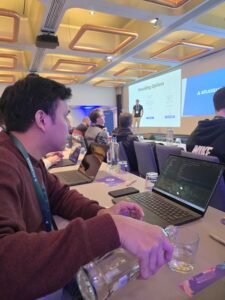
The back half of the week shifted from conference mode to what Atlassian calls the App Accelerator Workshop: hands-on build time with Atlassian’s own developers in the room to help. By the end of the week, the full group of attendees had shipped 18 working demos between them.
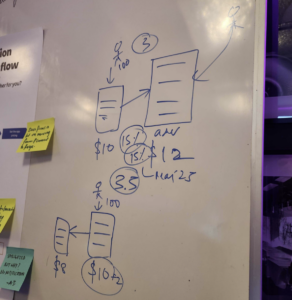
We used the time to actually prototype, not just take notes:
Khairul and Raziman teamed up to build a Rovo AI Agent for Excel-like Tables for Jira that pulls data from a given issue, summarizes it, and posts the summary straight back as a comment — no manual digging required. They worked through the questions as they came up (can you even pull SpreadJS into Forge? can you read table data out of it? how do you actually wire up a Rovo agent?), with plenty of hallway back-and-forth with Atlassian’s own developers along the way.
Raziman also put together a separate Rovo-powered prototype for Excel-like Issue Editor for Jira that lets someone open the spreadsheet view and populate issues using plain language, instead of needing to know Jira Query Language (JQL) — genuinely useful for admins who aren’t comfortable writing JQL themselves.
PS: These were workshop builds, not shipped features — but they’re a real, working proof that AI can meaningfully extend what our apps do, not just a slide in a deck.
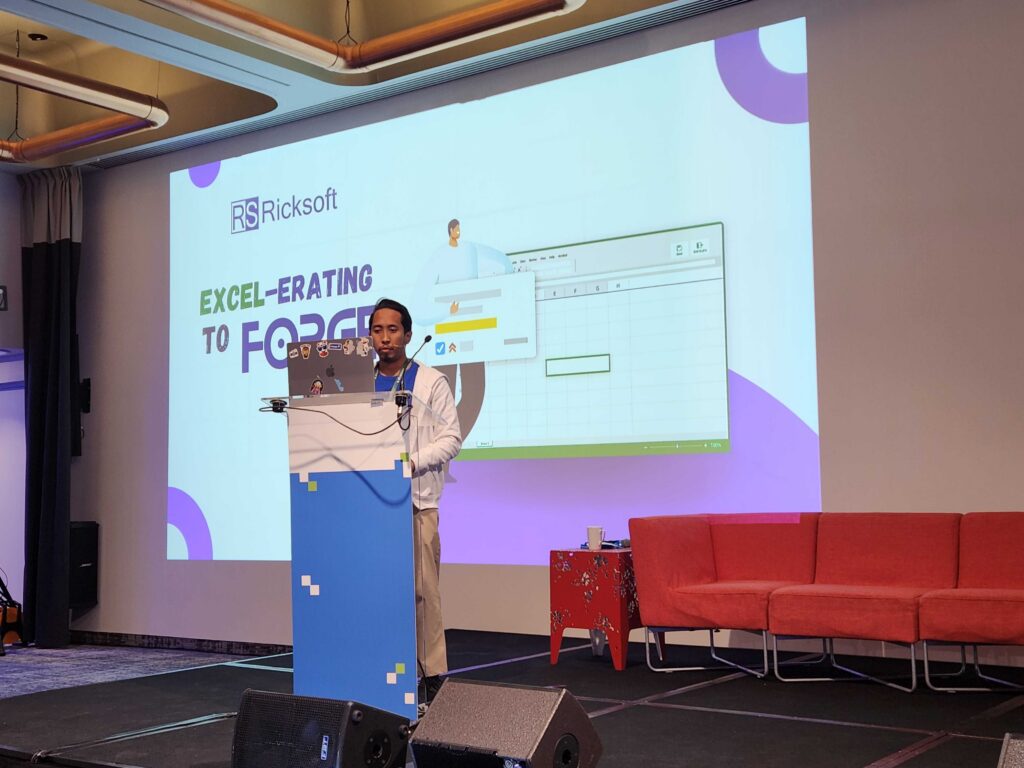
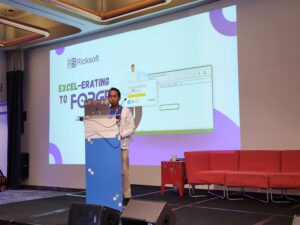
The Excel-like Tables for Jira agent was good enough that Khairul presented it live to the Atlas Camp crowd, in a session titled “Excel-erating to Forge”, walking through the build and demoing the agent extracting, summarizing, and posting data in real time.
He didn’t win the presentation competition. Honestly, that’s not really the point, building something from a sketch in a hotel notebook to a working demo on stage, in the space of a few days, is the kind of result that’s hard to manufacture outside of a week like Atlas Camp.
A quieter, more personal recap from Raziman: this Atlas Camp felt like a genuine step forward compared to previous years: less trial-and-error, more shipping something real, largely because the team had already gotten comfortable with Forge going in. Getting direct access to Atlassian’s own engineers to talk through concerns, market trends, and get hands-on technical support is the kind of thing that’s hard to replicate outside of a week like this.
Khairul put it well: walking away, the team felt more confident not just about building AI agents, but about what’s possible for our apps on Forge going forward, this is just the beginning.
Thanks to Atlassian for putting the event on!