



Project Management


Jan 26, 2026 • 4 min read
Topic
Featured Apps
Author
In This Blog
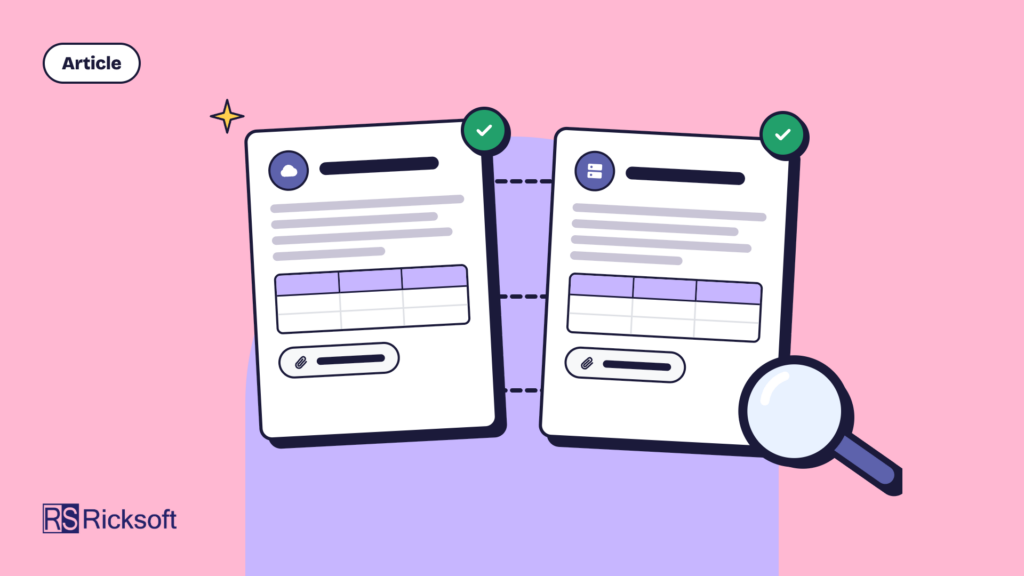
For teams operating in regulated or compliance-sensitive environments, Confluence Cloud migration is not just a technical exercise. Documentation must remain accurate, consistent, and defensible throughout the hybrid phase, even when Cloud and Data Center are used in parallel.
This guide explains how teams can monitor and audit Confluence content synchronization during hybrid migration, so they can maintain confidence in documentation integrity without freezing updates or relying on manual reconciliation.
You should consider a structured monitoring and audit approach if:
Your organization operates in a regulated or compliance-sensitive environment
Confluence Cloud and Data Center are both in active use
Documentation must remain consistent and traceable during migration
You need to demonstrate control over content changes during reviews or audits
Even if audits are infrequent, preparing for them during the hybrid phase reduces long-term risk.
In a single Confluence environment, audits typically rely on page history, permissions, and governance processes. During a hybrid phase, those signals are split across two systems.
Atlassian’s Confluence Cloud Migration Assistant supports one-time migration, but it does not provide visibility into ongoing changes across Cloud and Data Center. When content updates continue in both environments, teams can struggle to answer basic questions such as:
Are approved changes reflected everywhere they should be?
Which version of a page was current at a specific point in time?
How do we demonstrate consistency across environments during migration?
Without intentional monitoring, audit preparation becomes reactive and time-consuming.
The first step is to clearly define which content must be auditable during migration.
Focus on spaces and pages that:
Contain policies, procedures, or regulated documentation
Are referenced during internal or external reviews
Must remain consistent across environments
Not all content needs this level of scrutiny. Being selective keeps monitoring manageable.
Monitoring synchronization works best when ownership is clearly defined.
For audit-sensitive spaces, teams should establish:
Who owns content accuracy
Who approves changes
How updates should be handled during the hybrid phase
Governance processes remain essential. Synchronization supports them, but does not replace them.
Once synchronization is in place, teams should shift from ad-hoc checks to routine monitoring.
Space Sync for Confluence (Data Center) provides visibility into synchronization activity between Cloud and Data Center. Admins typically review sync activity to confirm that:
Updates are being applied as expected
No unexpected changes occur
Synchronization remains scoped to approved content
Regular review helps teams detect issues early rather than during audit preparation.
In addition to monitoring activity, periodic validation builds confidence.
Admins often:
Compare a small sample of audit-critical pages across environments
Confirm content structure and attachments are consistent
Verify that approved changes are reflected correctly
This targeted validation supports audit readiness without requiring full manual reconciliation.
Hybrid migration is temporary, but it may last longer than expected. As teams move fully to Cloud, some spaces may no longer require synchronization or audit monitoring.
To keep the setup clean:
Review which spaces still require audit readiness
Reduce monitoring scope as Data Center usage decreases
Document when spaces exit the hybrid phase
This ensures audit processes evolve alongside migration progress.
Teams often run into issues when they:
Treat synchronization as a substitute for governance
Monitor everything instead of focusing on regulated content
Delay audit preparation until reviews are imminent
Intentional scope and regular review prevent these problems.
Monitoring and auditing synchronization activity helps regulated teams maintain confidence in Confluence as a system of record during migration. Documentation remains consistent, traceable, and defensible, even while Cloud and Data Center coexist.
This approach reduces audit risk, lowers operational overhead, and allows migration to proceed without compromising governance standards.
Use Space Sync for Confluence (Data Center) to monitor and maintain consistent documentation across Confluence Cloud and Data Center while meeting governance and compliance requirements.