



Content & Knowledge Management

Mar 5, 2026 • 3 min read
In This Blog
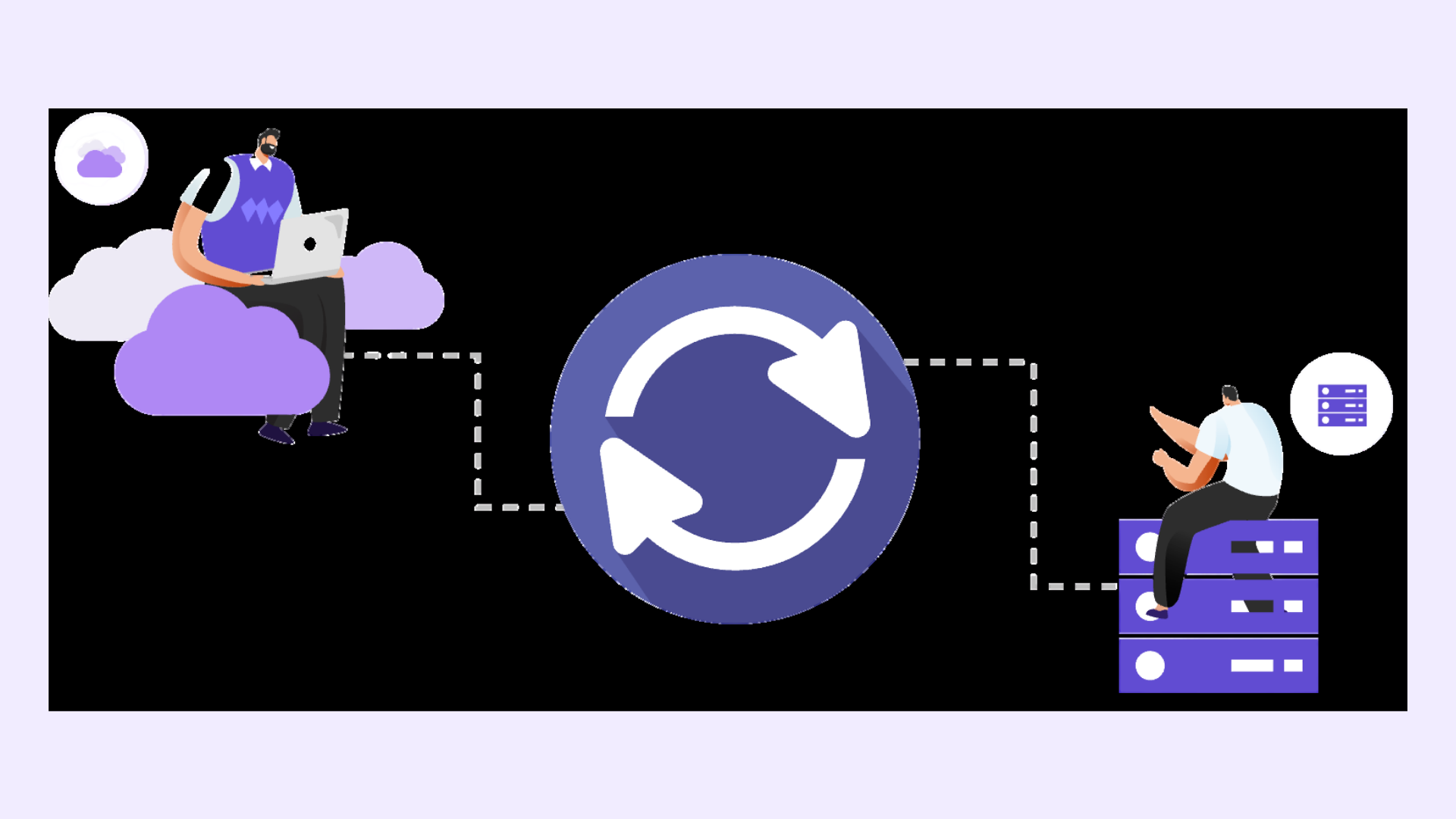
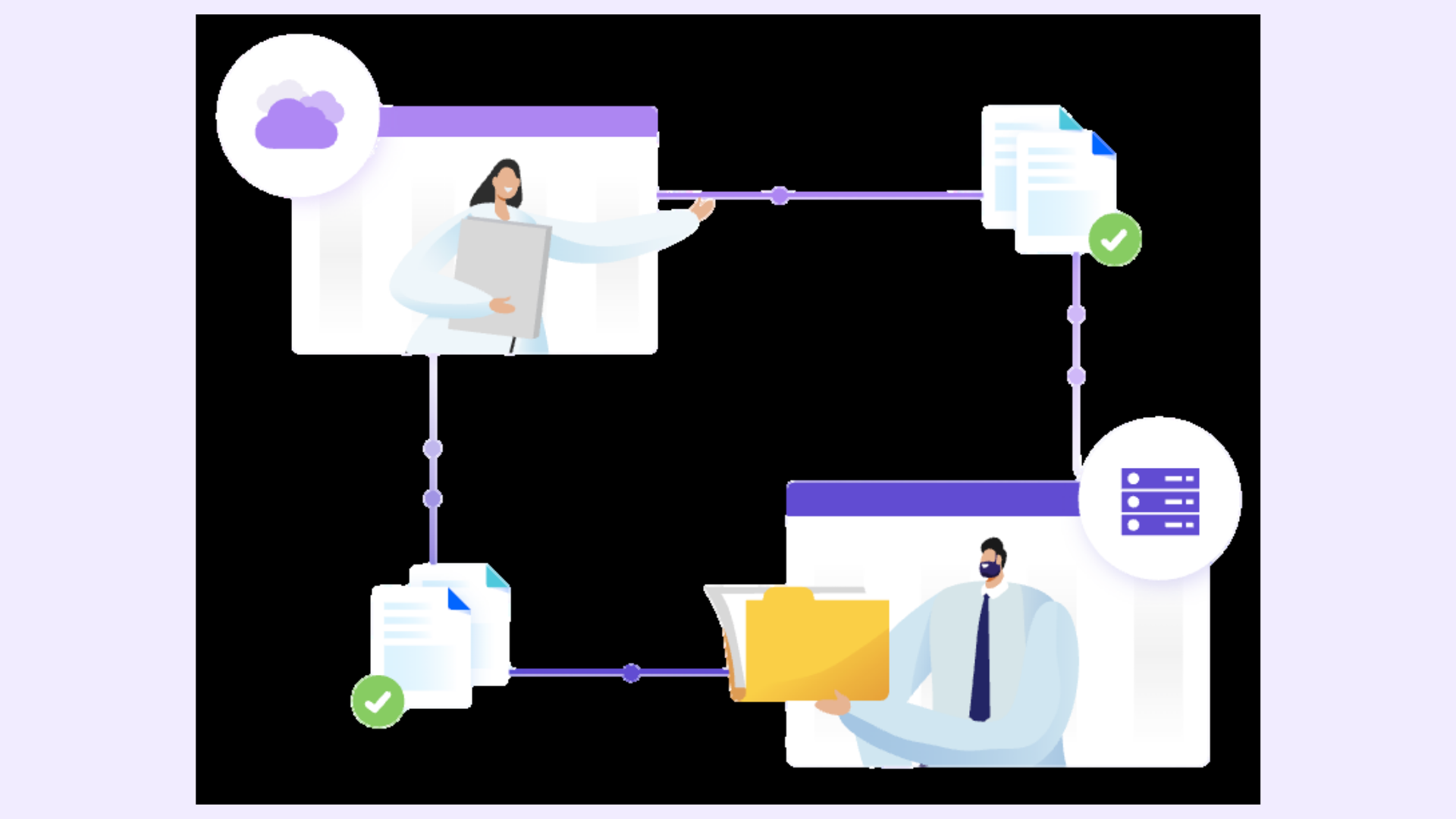
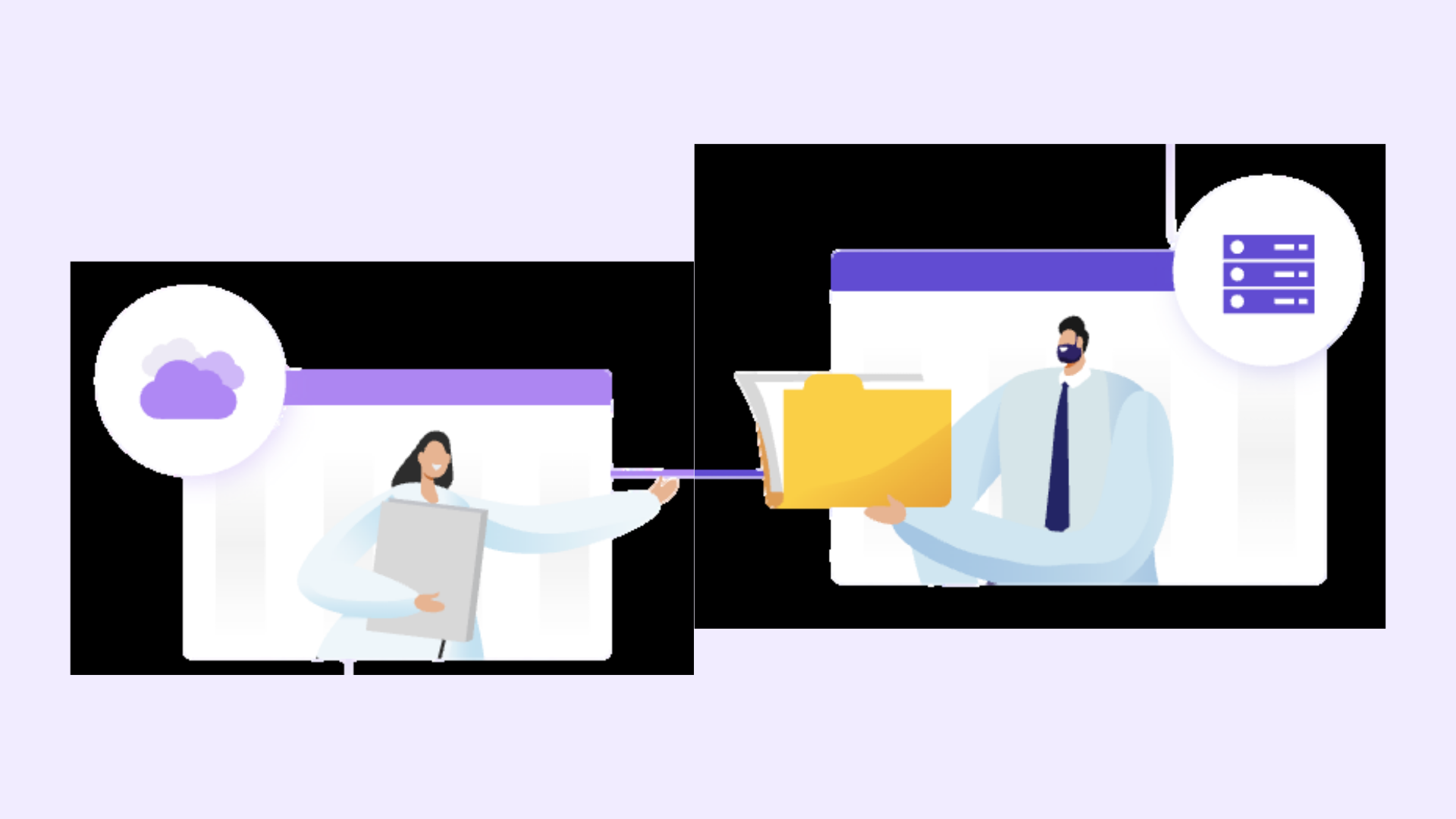
During a hybrid Confluence migration, synchronization can quickly become either a strategic advantage or an operational burden. The difference lies in how clearly sync scope is defined.
This guide explains how Confluence Admins can define sync scope between Confluence Cloud and Confluence Data Center, ensuring that only the right content is aligned during migration.
In hybrid environments, not every Confluence space needs to be synchronized. Applying sync too broadly can:
Defining sync scope intentionally keeps hybrid operations controlled and sustainable.
You should define sync scope carefully if:
Hybrid migration is not just about moving content. It is about managing coexistence responsibly.
Start by evaluating which spaces must remain consistent during migration.
Focus on spaces that:
To define scope clearly, categorize spaces into three groups:
Synchronization should typically apply only to the third category. This prevents unnecessary overlap and keeps migration moving forward.
Before enabling synchronization, clarify:
Clear ownership prevents conflicting edits and reduces confusion during migration.
Using Space Sync for Confluence Data Center, admins can configure synchronization only for approved spaces.
Rather than syncing entire environments, focus on:
This ensures that synchronization supports business needs without overwhelming governance processes.
Hybrid migration evolves over time. As teams move fully to Cloud, some spaces no longer need synchronization.
To keep sync scope clean:
Regular review prevents hybrid setups from becoming permanent unintentionally.
Admins often encounter issues when they:
Intentional scope definition prevents these problems.
Defining sync scope carefully allows Confluence Admins to maintain control during hybrid migration. Only necessary content is aligned, compliance risks are reduced, and operational complexity remains manageable.
Most importantly, scoped synchronization supports phased migration without slowing progress or compromising oversight.
Use Space Sync for Confluence (Data Center) to control exactly what syncs between Confluence Cloud and Data Center while preserving governance and migration flexibility.