






Alternatives


Feb 5, 2026 • 3 min read
In This Blog
Confluence provides tools such as the Roadmap Planner macro to visualize plans and timelines at a high level. Teams using Jira Premium or Enterprise can also embed Advanced Roadmaps plans from Jira into Confluence pages for broader visibility and alignment.
As planning becomes more detailed and involves dependencies, scheduling logic, resource considerations, or ongoing updates, teams often need to decide whether planning should remain Jira-first, Confluence-first, or a combination of both.
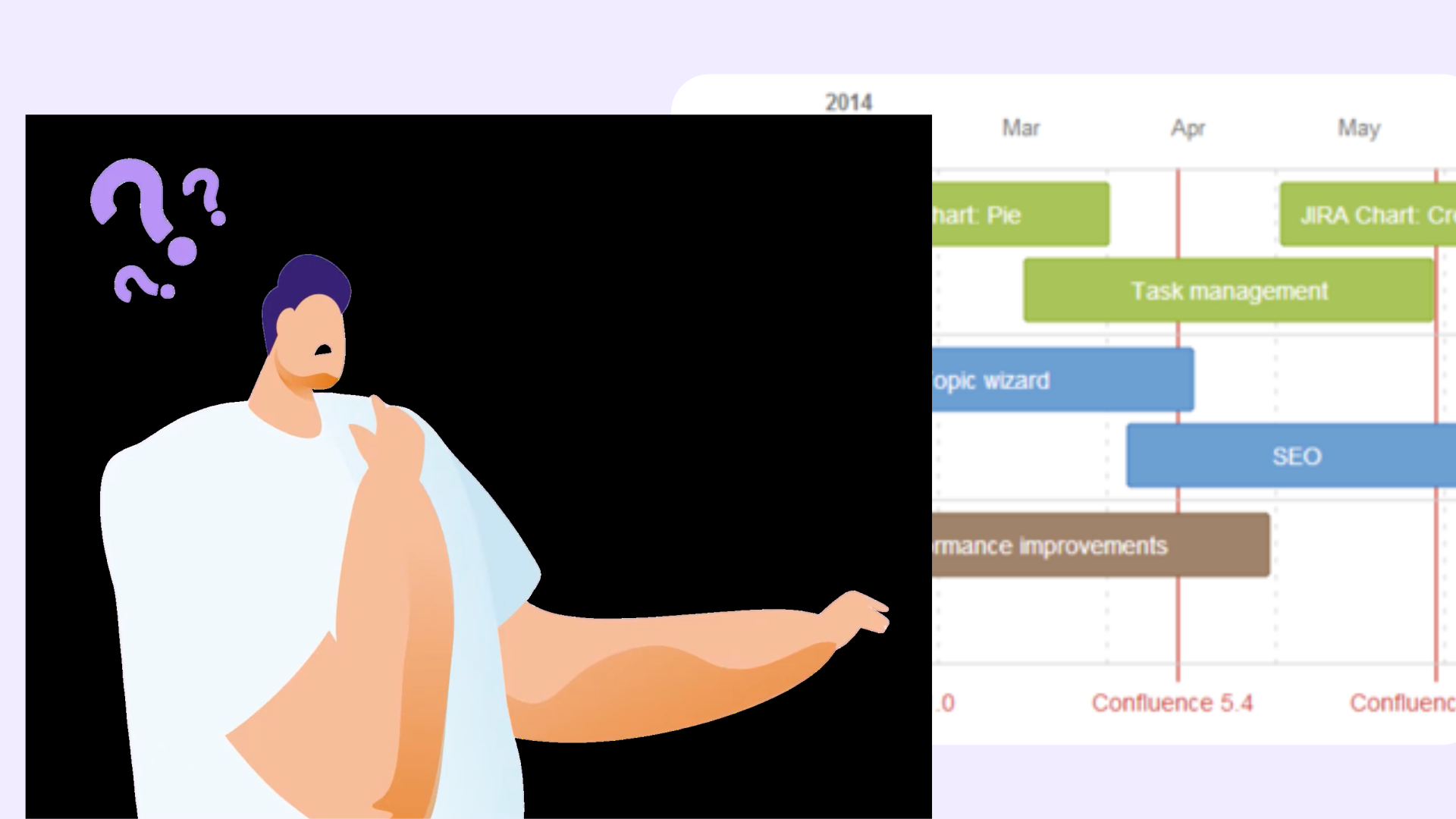
Read on to see how Gantt Chart Planner for Confluence compares with the Confluence Roadmap Planner macro and Advanced Roadmaps embedded in Confluence, and decide which option best supports how your team plans and coordinates work.
Each tool serves a different planning depth, and many teams use more than one depending on their needs.
The table below highlights how each option supports different planning requirements, from simple roadmaps to detailed project schedules and portfolio views.
| Feature | Gantt Chart Planner for Confluence | Roadmap Planner macro | Advanced Roadmaps (embedded in Confluence) |
|---|---|---|---|
| Primary planning location | Confluence-first planning Plans are created and managed directly in Confluence. |
Confluence Roadmaps are created within pages. |
Jira-first planning Plans are created and edited in Jira, then embedded in Confluence. |
| Planning depth | Project-level planning Designed for tasks, schedules, and delivery details. |
High-level roadmaps Best for phases or initiatives. |
Portfolio-level planning Focused on initiatives, teams, and alignment. |
| Timeline visualization | Interactive Gantt charts Visualize tasks, durations, and schedules in a Gantt view. |
Simple roadmap view Basic timeline blocks. |
Roadmap view Displays Jira roadmap timelines in Confluence. |
| Dependencies and critical path | Supported Map dependencies and identify critical paths. |
Not supported | Limited Dependency awareness without execution-level scheduling. |
| Resource & capacity planning | Built-in resource management Allocate assignees or custom resources and manage shared capacity. |
Not supported | High-level capacity views Managed within Jira. |
| Jira integration | Bi-directional Jira sync Create or link Jira issues and keep plans in sync across platforms. |
Manual linking | Native Jira integration Confluence displays Jira plans; edits happen in Jira. |
| Editing inside Confluence | Fully supported Planning and updates happen in Confluence. |
Supported | Not supported Confluence is used for viewing and sharing only. |
If you’re deciding how to plan and coordinate work across Confluence and Jira, the table below maps common situations to the option that typically works best.
| Your situation | Recommended option |
|---|---|
| You only need a high-level roadmap | Roadmap Planner macro |
| You want to share Jira roadmaps in Confluence | Advanced Roadmaps |
| You plan projects primarily in Confluence | Gantt Chart Planner for Confluence |
| Your plans involve dependencies and critical paths | Gantt Chart Planner for Confluence |
| You manage initiatives across multiple Jira teams | Advanced Roadmaps |
Gantt Chart Planner for Confluence is commonly used for:
Accept cookies to view this content.
You can explore real-world examples in the use case library, which shows how teams plan and manage projects directly in Confluence.
Roadmap Planner macro is well-suited for:
Advanced Roadmaps is commonly used for:
Atlassian provides multiple ways to plan and visualize work across Confluence and Jira.
For teams that want to plan and manage projects directly in Confluence, with structured timelines, dependencies, and resource visibility, Gantt Chart Planner for Confluence offers a Confluence-first planning experience. Roadmap Planner macro and Advanced Roadmaps remain valuable for high-level communication and portfolio alignment, especially when planning is primarily done in Jira.